 11
11
Every bet, spin, or hand of cards is more than just chance—it’s a psychological experiment in decision-making. Behind the flashing lights and quick wins lies a deep connection between risk, reward, and human behavior. Understanding how these forces interact reveals not only why people gamble but also how smart players learn to control the game instead of being controlled by it.
Risk-taking is hardwired into the human brain. From evolution’s perspective, those willing to take calculated risks often achieved greater rewards—whether in hunting, social hierarchy, or resource gathering. Gambling taps into the same neurological pathways that once motivated survival behavior.
When you take a risk, your brain releases dopamine, a neurotransmitter that creates anticipation and excitement. It’s not only triggered by winning but also by the possibility of winning. This is why gamblers often feel a rush even before the outcome is revealed. The “maybe” itself becomes addictive.
These psychological patterns make gambling deeply engaging—and potentially risky if left unchecked.

While emotion drives risk, math determines outcome. Every casino game follows strict probability models. Understanding these models helps players set realistic expectations and avoid costly illusions.
The central mathematical concept is the house edge—the built-in advantage casinos maintain over time. It ensures that, on average, the house always wins, even though short-term outcomes may favor the player.
| Game | Typical House Edge | Skill Influence |
|---|---|---|
| Blackjack | 0.5–2% | High – strategy matters |
| Roulette | 2.7–5.2% | None – pure luck |
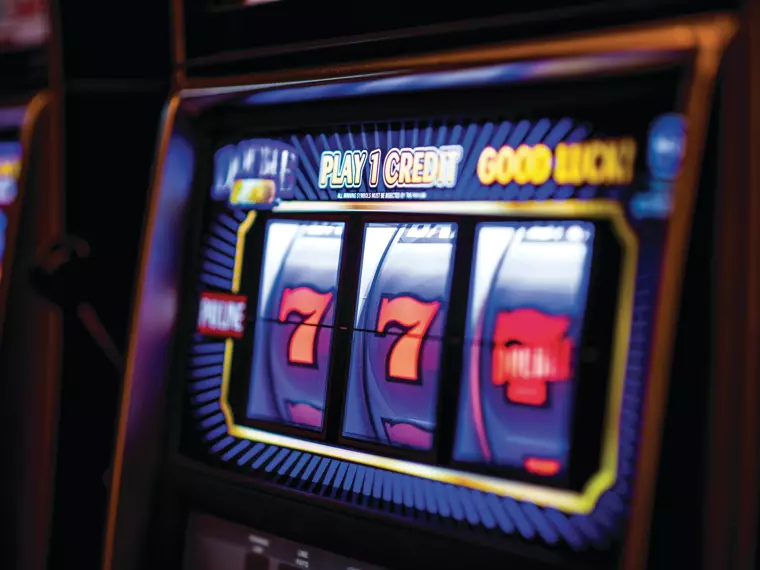
| Slots | 4–10% | None – chance only |
| Poker | Varies | High – depends on opponents |
Knowing these figures shifts gambling from blind risk to informed decision-making. Skilled players understand that while luck is random, probability management isn’t.
The risk-reward cycle doesn’t end when the bet does. Every small win reinforces the player’s behavior through a mechanism known as the reward loop.
Here’s how it works:
Even losses can contribute if they’re framed as “almost wins,” sustaining engagement. This neurological loop explains why gambling can be both thrilling and difficult to moderate.

Successful gamblers—those who enjoy the game without falling into harmful patterns—know how to balance emotional and analytical thinking. They manage risk like investors, applying discipline and limits rather than relying on luck alone.
Practical steps for maintaining control include:
The key is to replace impulsive choices with deliberate ones. Over time, this transforms gambling from an emotional reflex into a controlled pastime.
Risk is not inherently negative—it’s the foundation of all games of chance. The problem arises when risk becomes detached from awareness. By understanding how the brain, math, and behavior intertwine, players can recognize when excitement shifts into compulsion.
The science of gambling doesn’t just explain why people play—it offers tools to play smarter. Those who grasp both sides of risk and reward learn to treat uncertainty not as a trap, but as a system to navigate with insight.